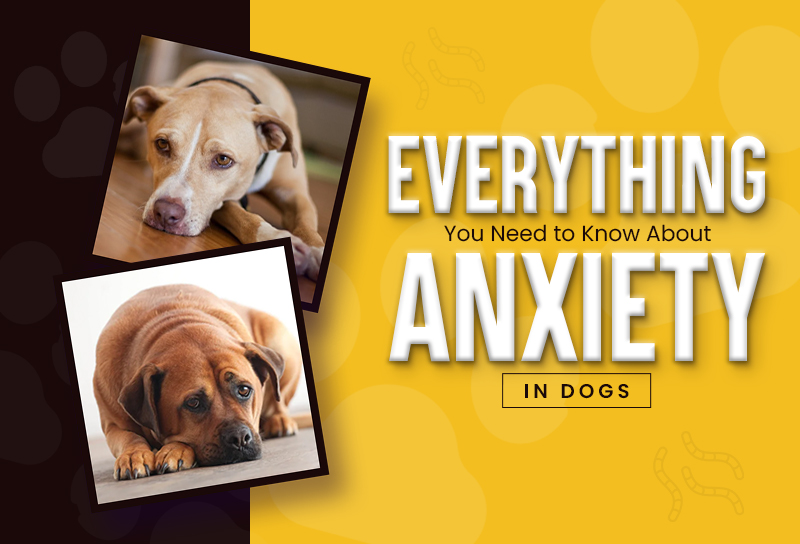
Dogs tend to encounter new challenges every day. From meeting unfamiliar faces, new animals, and unknown faces to moving into a new home and visiting the boarding kennel, there is a lot that a canine goes through. Such unknown experiences tend to cause fear and anxiety in them. Anxiety can be immensely stressful for our dogs, and it may get difficult for them to recover from it. And as dog parents, it becomes our responsibility to understand the signs of anxiety in our dogs and help them recover from it.
In this blog, we will walk you through everything you need to know about anxiety in dogs and ways to help them cope. Read on to find out more.
What is Dog Anxiety?
New experiences are generally exciting for dogs. However, sometimes the experiences are not positive for them and lead to anxiety. At times, anxiety in dogs is also caused by medical conditions such as underlying diseases, pain, etc. Therefore, it is important for pet parents to watch out for signs of anxiety in their furry babies and reach out to the vet for relevant treatment.
Symptoms of Anxiety in Dogs
Similar to humans, even dogs communicate anxiety through their body language. Here are the common signs of canine anxiety.
Mild Anxiety
- Yawning
- Licking lips
- Turning the head away
- Avoiding eye contact
Moderate Anxiety
A dog with moderate anxiety displays the signs of mild anxiety, including the following:
- Furrowing brow
- Putting ears behind
- Panting
- Fidgeting
- Rejecting treats
Severe Anxiety
A canine with severe anxiety displays the signs of mild and moderate anxiety, along with the following ones:
- Tucking its tail between its legs
- Running away
- Dilating pupils
- Widening eyes
- Trembling
- Showing teeth
- Staring
Other unwanted behaviors that anxious dogs display include:
- Losing interest in their favorite activities
- Regressing
- Shaking
- Barking
- Whining
- Potty accidents
- Shaking
- Getting restless
- Drooling
- Losing appetite
- Causing repetitive behaviors
- Growling
- Biting
Causes of Anxiety in Dogs
Below are the common causes of anxiety in dogs.
Medical Conditions
Medical conditions such as pain or inflammation can lead to anxiety in dogs. For senior dogs, dementia or canine cognitive dysfunction syndrome can cause severe anxiety.
Separation from its Loved Ones
Separation anxiety is a serious challenge faced by almost all dogs. Firstly, they face anxiety when they are separated from their biological family at the time of adoption. However, once they have gotten along with their human families, sudden separation from them can lead to anxiety.
Change in the Household
A change in the household can lead to anxiety in dogs as it disrupts their sense of security and routine. The changes can include loss of a family member, adoption into a new family or moving into a new home. Also, dogs adopted from shelters or ones that have experienced multiple adoptions can develop anxiety due to past trauma. Dogs experiencing such anxiety can display behaviors like vocalization, destructive actions, restlessness, and house soiling.
Road trips
Road trips can cause severe anxiety in dogs. When the dogs are young, they tend to suffer from motion sickness during road trips, causing dizziness, nausea, and discomfort. The comfort eventually leads to getting them anxious. They may also get stressed out from unfamiliarity with the whole experience, overwhelmingness from fast-moving scenery, engine noise, and confinement in a small space.
Visit to Veterinary Hospitals or Grooming Facilities
Veterinary hospitals and grooming facilities tend to make dogs anxious as the furballs find the environments unfamiliar and associate them with negative experiences such as restraint during examination and treatment, pain, and discomfort. Also, if they manage to anticipate discomforting procedures like vaccinations, nail trimming, and medical examinations, they can get highly anxious.
Interaction with Unfamiliar Humans
Fear of interacting with strangers is a common social trigger for dogs. They generally get threatened by unfamiliar humans due to a lack of socialization or negative experiences in the past. This fear can deter a dog from engaging socially unless provided positive socialization and training.
Interaction with Unfamiliar Pets
Dogs often tend to get threatened or overwhelmed by the presence of unfamiliar pets in the vicinity. Additionally, if a canine has negative experiences with other animals or has not been socialized at a young age, encounters with other animals can trigger their stress and anxiety.
How to Treat Anxiety in Dogs
The treatment of an anxious dog includes a combination of veterinary care, behavioral training and treatments. The approach to address anxiety solely lies in its root cause.
If you suspect that your pooch is suffering from anxiety, you should immediately seek medical assistance, where the vet can provide help with appropriate steps to address the issue.
Anti-Anxiety Treatments for Dogs
Thankfully, there is a wide range of treatments available on the market that work excellently to manage anxiety in dogs. The best ones are as follows:
Concluding Note
Anxiety in dogs is a serious challenge that can impact their quality of life and their bond with their human family members. Understanding the root cause of anxiety is essential for pet parents to provide effective support. Parenting an anxious dog is not easy, but with patience and understanding, you will surely be able to ensure your dog’s recovery and help them live a relaxed life.
At CanadaVetExpress, we carry a wide range of treatments and supplements that help alleviate anxiety in dogs. Check out our online store today to get your hands on your preferred products from the comfort of your home.