
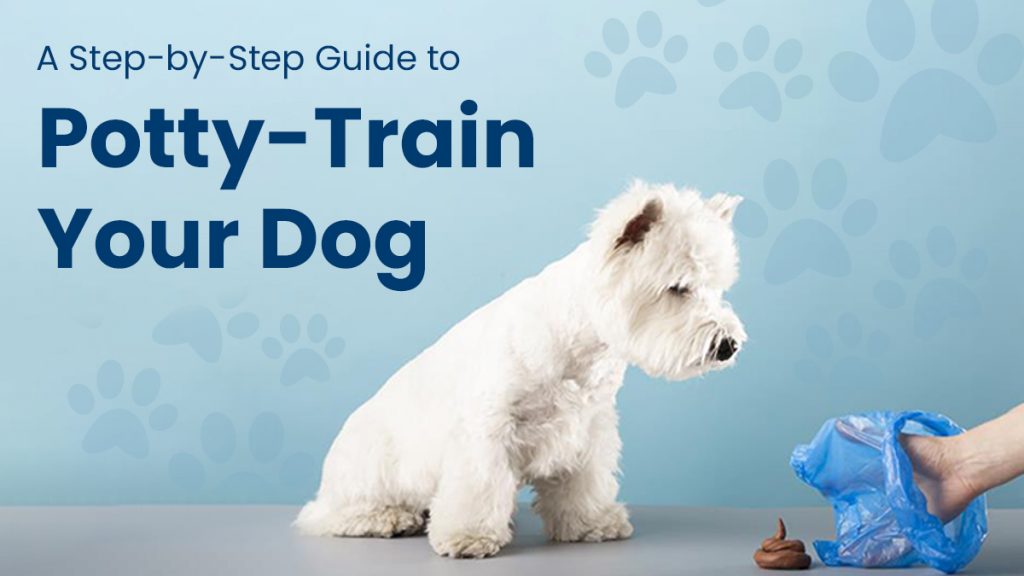
Parenting a dog is a full-time job that requires commitment, determination and a lot of patience. They need love, care and training to lead a happy and healthy life. One of the most important aspects of this care is potty training. Yes, potty training your dog contributes to keeping your dog disciplined and making them well-behaved adults in the future.
In this comprehensive guide, we will explore some simple yet effective tips that will help you potty train your dog successfully.
Why is Potty Training Necessary for Dogs?
Potty training is an essential part of dog’s overall training as it not only keeps them disciplined but also ensures that your house and rugs remain clean. It prevents accidents and makes your canine more confident and ready for socialization. Moreover, appropriate potty-training aids in maintaining good hygiene and strengthens the bond between you and your dog.
Simple Tips to Potty Train your Dog
Here are some easy steps through which you can effectively potty train your furry companion:
Establish a Routine
Dogs work well on a predefined schedule and therefore, creating a routine will help them eliminate distractions during those times. Consider taking your dog to the same spot at least 5 times a day, i.e., after waking up, before bedtime, after playtime, post meals and after naps. For puppies, take them every 2-3 hours.
Incorporate Crate Training
Dogs do not prefer soiling around their sleeping and eating areas. Using a crate allows your dog to go and eliminate at the designated spot, this is how you keep their litter and sleeping areas separate. Make sure that the crate is not too large or too small for your dog. Additionally, crate training helps dogs deal with separation anxiety when they are alone at home.
Make Use of Cue Words
Once you start understanding your dog’s signals and they begin going potty outside, use cue words like “go potty” or “do your business.” Over time, they will associate the cue with the action and they will eliminate following your cues.
Watch out for Signals
Dogs exhibit various signs to indicate the need for eliminating. Keep an eye on these signs and take them to the designated area immediately. Some of the common signs include, sniffing the floor, pacing, whining, heading towards the door, sudden restlessness, scratching, etc.
Supervise your Dog
It is very important to observe and supervise your dog during and after training, especially when they are taken outside, as they can get distracted and do not eliminate until indoors. Always wait beside your dog while they are eliminating or you may draw a small fence around their elimination area to prevent them from roaming around.
Choose Reward over Punishment
Once your dog finishes, praise them with a reward as this positive reinforcement helps them connect going potty outside with something good. Also, if they accidentally eliminate at any other place, stay calm, do not punish them and clean the area thoroughly. Remember, dogs learn better with encouragement rather than punishment.
Patience is the Key
Always remember, potty training your dog is a slow yet rewarding process that requires both patience and consistency. So, relax, let them learn at their own pace and be patient in times of accidents.
Final Words
All in all, potty training a dog is a combination of consistency, perseverance and patience. With a few modifications in your routine and being proactive in your approach, you can make this process rewarding and less time-consuming. Additionally, it fosters your bond with your canine companion based on trust and understanding. Keep in mind that every dog is unique and so are their learning habits, but with kindness and right guidance, they can learn effectively and effortlessly.
Frequently Asked Questions (FAQs)
Q1. How much time is required to potty train a dog?
Ans. Potty training is a steady yet enriching process that may take a few weeks to months, depending on your dog’s learning pace, age and breed. Whether it is a puppy or an adult dog, potty training is essential and should be done with utmost care and tolerance.
Q2. How to establish a dog potty training schedule?
Ans. Establishing a potty training schedule for your dog requires some effort and consistency. Take them out at the fixed timings every day, such as before and after meals to set a routine and make them accustomed to release at those timings.
Q3. Why does my dog pee indoors after coming from outside?
Ans. Your dog peeing in the home after coming from outside could be due to various reasons, including inadequate training, urinary tract infections, anxiety, stress or an underlying health condition. Consult the vet immediately for tailored recommendations. Anxitane chewable tablets, Zylkene calming supplement, Dorwest Scullcap and Valerian tablets are some of the most effective and popular treatments for stress and anxiety relief that you can consider.