
If you’re a pet parent, you don’t want to see your furry friend struggling with basics like eating. You don’t want to see your dog running to the food bowl every morning, but noticing that they’re chewing only on one side of the mouth or dropping half of their kibble on the floor. Or your cat that was once playful is suddenly hiding more and maybe growling if you try to touch their face.
Many pet parents misinterpret these behavioral signs as just ‘quirks,’ but often, they’re silent cries of dental pain. Just like us, our pets can suffer from gum conditions, tooth decay, and infections that can make daily activities like eating, playing, and even snuggling with us uncomfortable.
In this blog, we’ll be covering signs of dental problems in pets, common dental issues, preventative care for them, what professional dental cleaning looks like for them, along with some home dental care tips that can help you protect your fur kid’s teeth and gums, keep their breath fresh, and ensure they live a happier life right by your side!
Why Do Dental Issues Happen in Pets?
Dental issues don’t just appear overnight; here are some reasons why they happen in the first place:
Plaque & Tartar
Plaque is formed by food particles combined with bacteria that build up in the gums. If the plaque is not brushed away, it hardens into tartar, leading to irritation in the gums and gum diseases.
Oral Hygiene
If you skip regular brushing or dental care, you’re basically allowing bacteria to thrive in your pet’s mouth. Poor oral hygiene is one of the most common reasons why pets develop dental diseases by age 3.
Diet
Pets who avoid chewing or have a preference for soft, wet or sticky foods that cling to their teeth tend to invite a faster plaque buildup.
Breed
Small dog breeds like Yorkies and Chihuahuas either have overcrowded or misaligned teeth, because of which food or bacteria is trapped in their mouths. On the other hand, cats like Persians and Maine Coons can develop a condition called tooth resorption.
Age
Senior pets are at higher risk for gum recession, weak teeth and infections.
Underlying Issues
Dental health is highly compromised if your pet has an undiagnosed health condition like diabetes, kidney disease, or an immune system problem. Contagious health conditions like feline immunodeficiency virus or feline leukemia virus make cats vulnerable to dental diseases.
Injury
Broken teeth or an injury in your pet’s mouth may expose nerves, leading to infections.
Signs/Symptoms of Dental Issues in Pets
- Bad breath
- Excessive drooling
- Pawing at the mouth
- Inflamed or swollen gums
- Difficulty eating
- Loose or broken teeth
Diseases Caused by Bad Dental Health
We know now that poor oral hygiene can cause painful issues, but if the inflammation and bacteria are left untreated in your pet’s mouth for too long, it can lead to systemic life-threatening health problems like:
- Heart disease: Bacteria from an oral disease have the potential to enter a pet’s bloodstream and attach to the valves or lining of their heart, which can cause permanent heart damage or even heart failure.
- Kidney and liver disease: When organs like the kidney and liver are overburdened with the responsibility of filtering out toxins and waste from the bloodstream, they can damage the primary functions of these organs in both cats and dogs.
- Diabetes: Dental diseases can make diabetes difficult to manage and control because the chronic inflammation can take a serious hit on blood sugar metabolism.
Habits for Good Dental Health in Pets
For both species; cats and dogs, a consistent oral health routine is helpful in fighting against dental diseases. You should combine home dental treatments with routine veterinary check-ups.
At-Home Daily Dental Care Routine
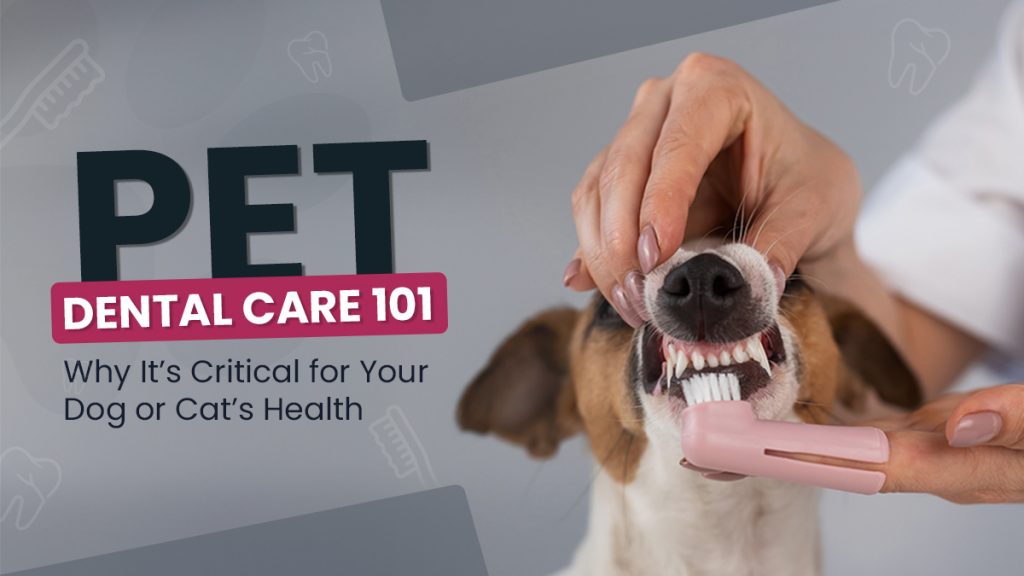
Brushing your pet’s teeth
Brushing your pet’s teeth daily is the ultimate gold standard tip. A consistent approach to this tip is highly effective in removing plaque and tartar buildup from your pet’s mouth. To make things easy, you can get a pet-safe Petosan Toothpaste & Brush Kit and make sure you brush your pet’s teeth 2-3 times a week at least. This helps prevent plaque and tartar buildup!
Dental chews and toys for your pet
Pet parents should make dental chews and toys a part of their pet’s day-to-day routine. They are great when it comes to scraping that plaque off your pet’s teeth. Never forget to choose chews and toys according to your pet’s size and chewing habits. If you don’t do that, you’re putting them at a potential choking hazard.
What they eat matters as much
What you feed your furry companion leaves an impact on their overall health, including their dental health. There are certain foods, treats, and powders like Plaqueoff for dogs and catsby Troy that are formulated specially to support and promote your pet’s dental health. All you have to do is either sprinkle or mix it in your pet’s wet or dry food. Also, you should avoid giving your pet sugary snacks since they can cause tooth decay and, of course, other dental problems.
Professional Dental Cleaning
Even if you take good care of your furry companion at home, they will at some point need a professional dental cleaning, as it involves more than just brushing. It’s about scaling, polishing, and extractions if necessary. The frequency of a professional cleanup depends on your pet’s age, breed, and health situation. Some pets demand yearly cleanings, whereas others only need them once in a few years.
FAQs
Q. Does pet insurance cover dental illness costs?
A. Probably, yes. It solely depends on your active pet insurance policy, so check in with them to see if your pet’s dental costs are covered by them.
Q. How do vets do dental cleaning?
A. Vets use special scaling and polishing tools to scrape off the built-up plaque and tartar on the crowns of your furry friend’s teeth.
Q. What are pet dental treats?
A. Functional pet dental treats in the form of biscuits, sticks, or chews that are designed to clean your pet’s teeth while they chew on them. They are made of different textures, ingredients, and also shapes – all attempting to make it easier for your pet to take and maintain their dental health.
Q. Can you clean your pets teeth without anesthesia?
A. It may sound like a good idea not to want to numb your pet’s gum line, but honestly, it only cleans dirt on the surface. Without anesthesia, vets cannot reach under the gum line, where the diseases actually develop from.
On a Final Note
Dental care is more than just fixing your pet’s stinky breath—it’s about keeping your dog or cat pain-free, healthy, and happy. By combining some consistent dental care routines at home with regular vet check-ups, you can protect your furry companions from some serious complications and make sure that they keep wagging, smiling, and purring for years to come!