
When people hear the word “bloat,” the normal thought that comes to their mind is having an upset stomach. However, bloat in dogs is one of the most feared emergencies pet parents face. Bloat, or Gastric Dilatation and Volvulus (GDV), requires immediate veterinary attention. In this blog, we will help you understand what GDV is, the early signs, and how knowing how to respond can make a huge difference between life and death for your dog.
What is Bloat in Dogs?
Bloat in dogs, medically known as Gastric Dilatation and Volvulus (GDV), is a critical condition where the stomach fills with gas and may twist, cutting off the blood flow in vital organs. GDV can affect dogs suddenly and progress rapidly. If untreated, it can become fatal within hours. The GDV condition can be divided into two phases:
1. Gastric Dilatation:
Initially, the stomach quickly fills with gas, fluid, or even undigested food. This gas is often the result of swallowed air during stress, eating, or the fermentation of food within the digestive tract. This situation causes swelling and puts immense pressure on the surrounding organs.
2. Volvulus (Twisting):
Things become more serious when the swollen stomach twists upon itself. This twisting prevents gas and fluid from escaping through burping or vomiting. It also twists the spleen, which entirely cuts off the blood flow. If this happens, the dog can go into shock and die in several hours without any treatment.
Why is GDV So Dangerous?
Gastric dilatation and volvulus are the most dangerous and deadly emergencies in veterinary treatment that affect a dog’s multiple systems. Here’s why GDV is so dangerous:
- The twisting restricts blood flow to the vital organs.
- It leads to tissue damage and causes shock and multi-organ dysfunction.
- The distended stomach makes breathing difficult and causes abnormal heartbeats.
- The stomach can rupture, leading to tissue death and increasing the risk of bacteria entering the bloodstream.
- The spleen, located near the stomach, is also twisted, which causes internal bleeding.
- The combined effect of dilatation and volvulus drops blood pressure and leads to the onset of shock.
GDV damages the heart, lungs, and kidneys, which overall causes a reduction in blood flow and oxygen delivery throughout the body. GDV progresses very quickly, which makes it a race against time where every minute counts. Without treatment, the damage caused by GDV is irreversible and can even become fatal within hours.
How Common is Bloat in Dogs?
According to the study, 36% of dogs with GDV do not survive, often due to cost, age, delayed treatments, or underlying health conditions.
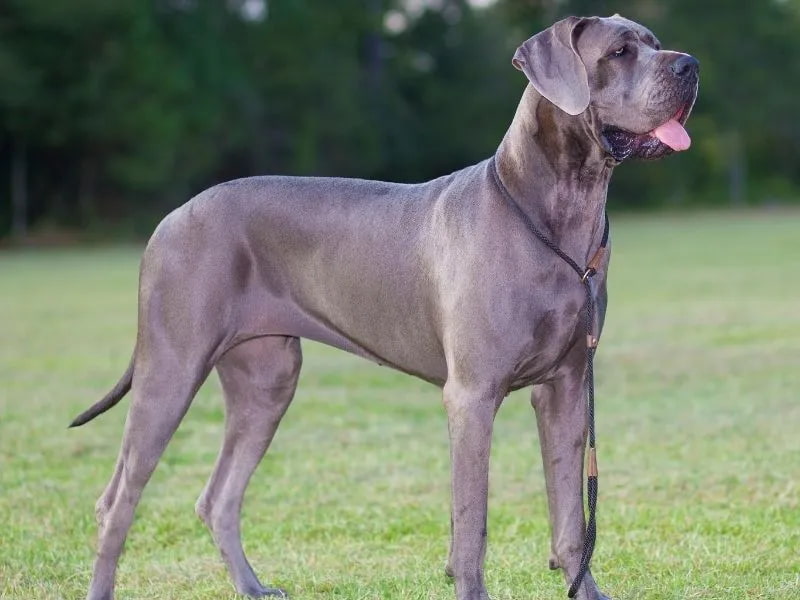
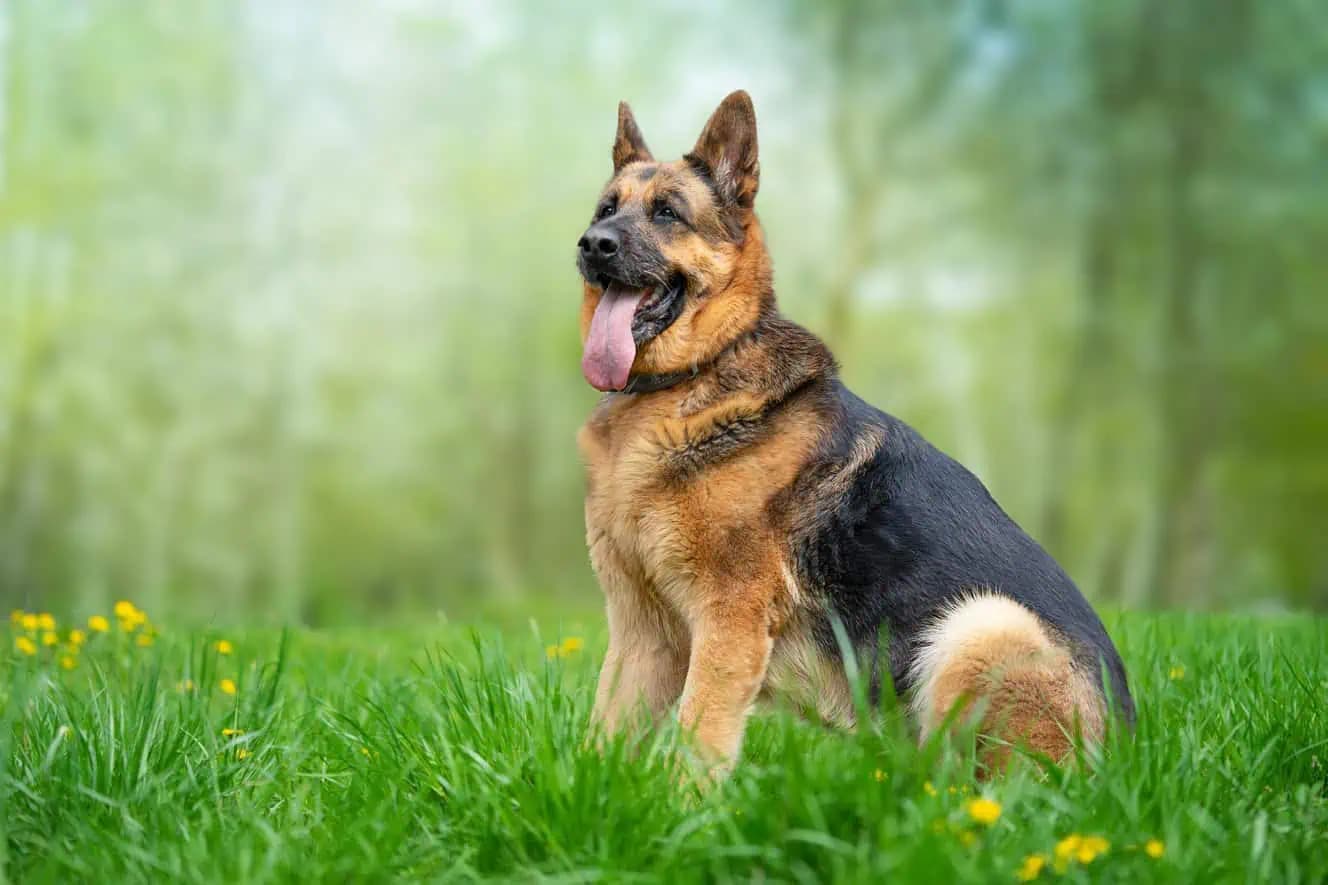
Which breeds are more prone to developing bloat?
While any breed can get affected by bloating, the large or deep-chested breeds are at significant risk of GDV, including the following:
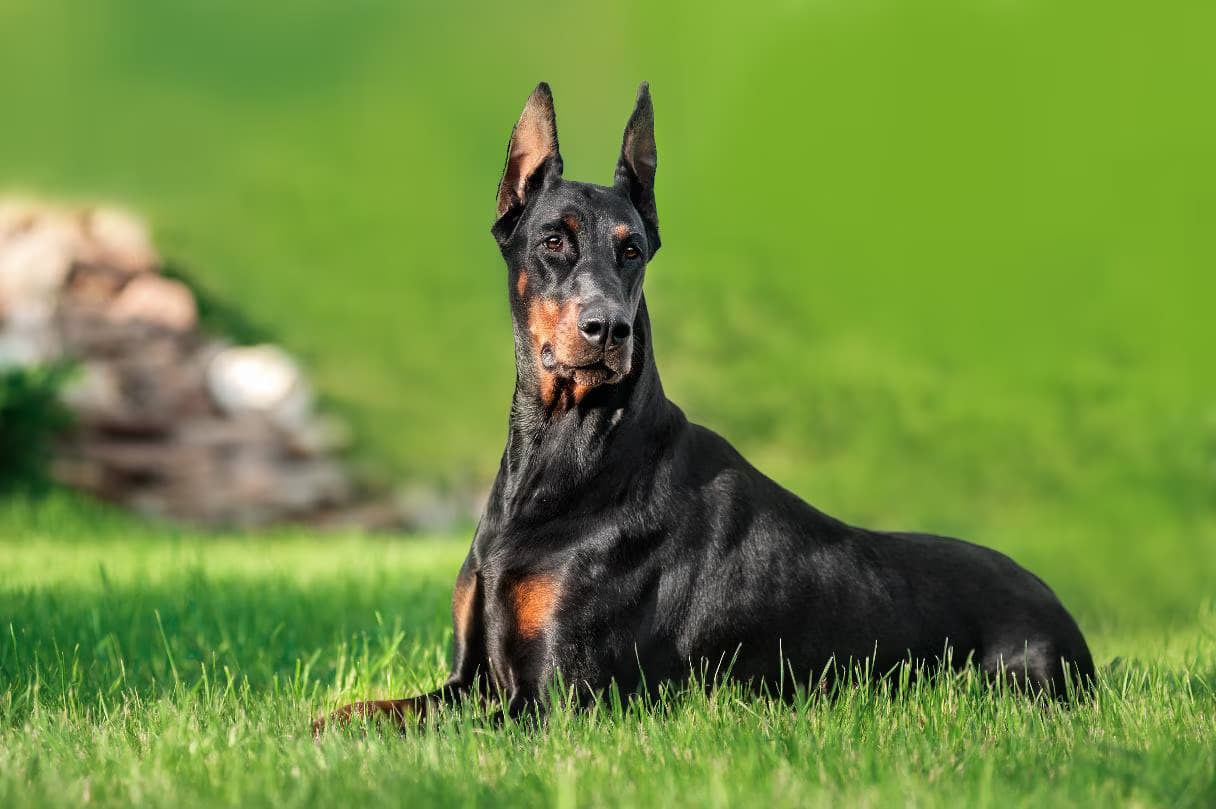
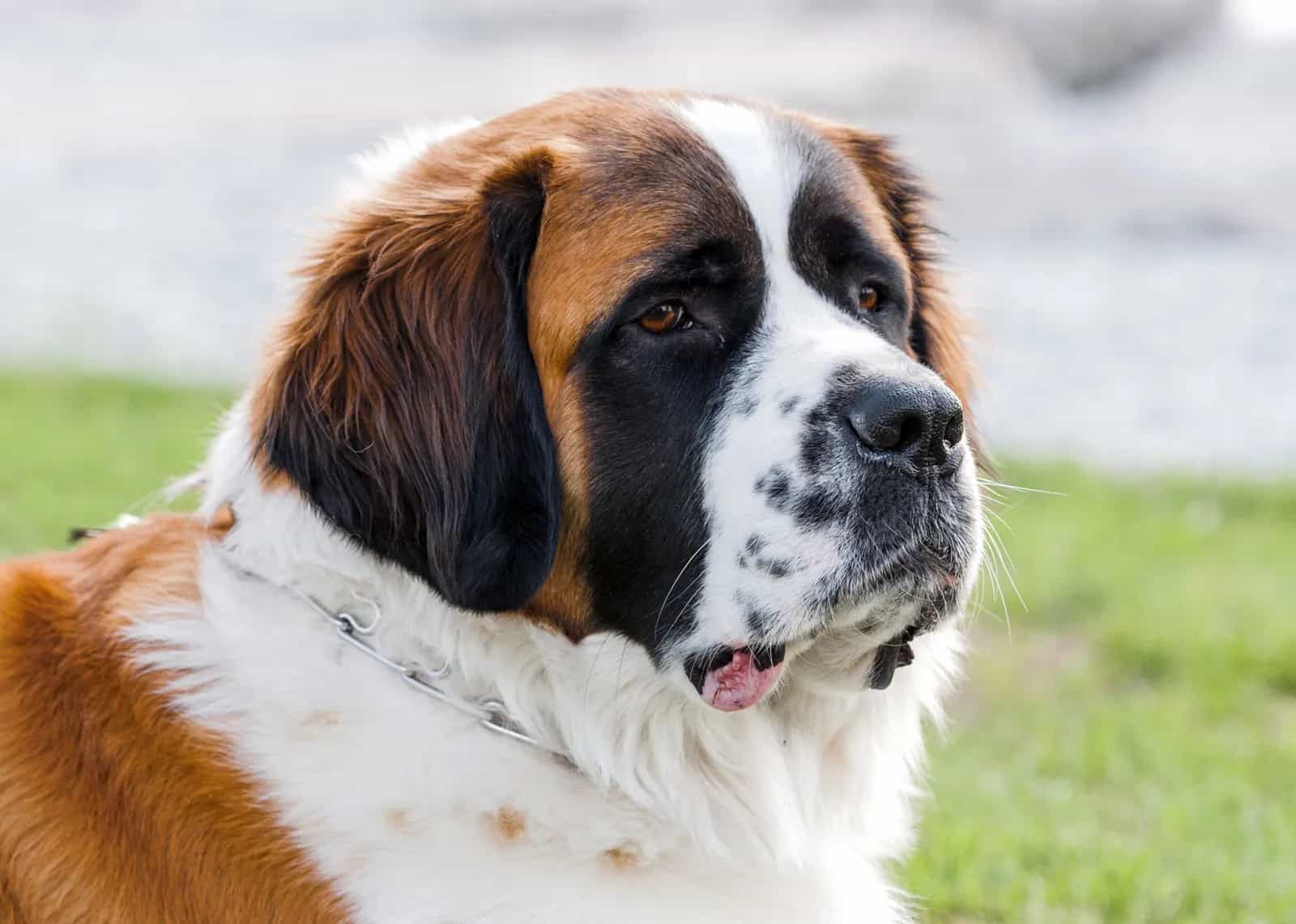
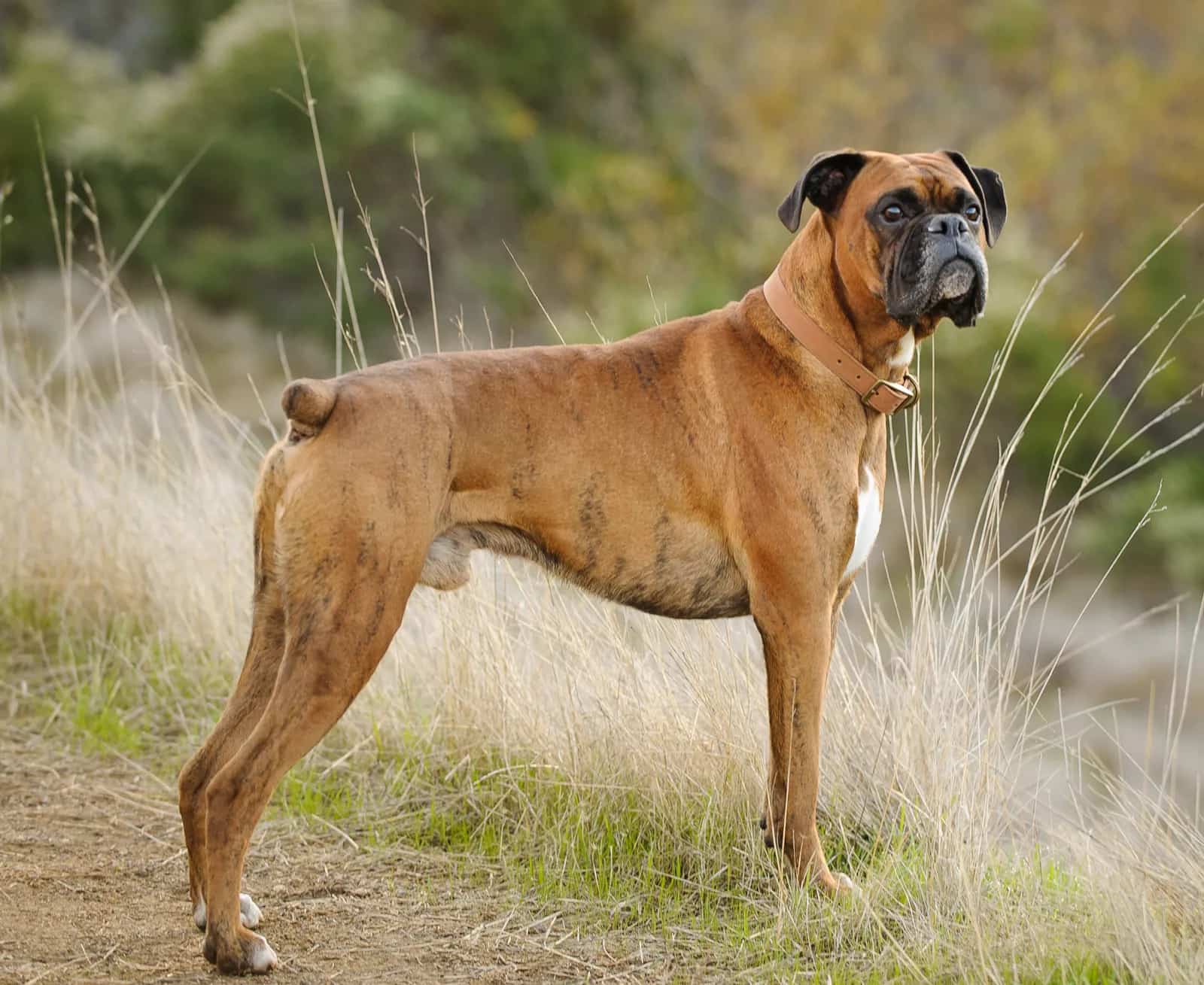
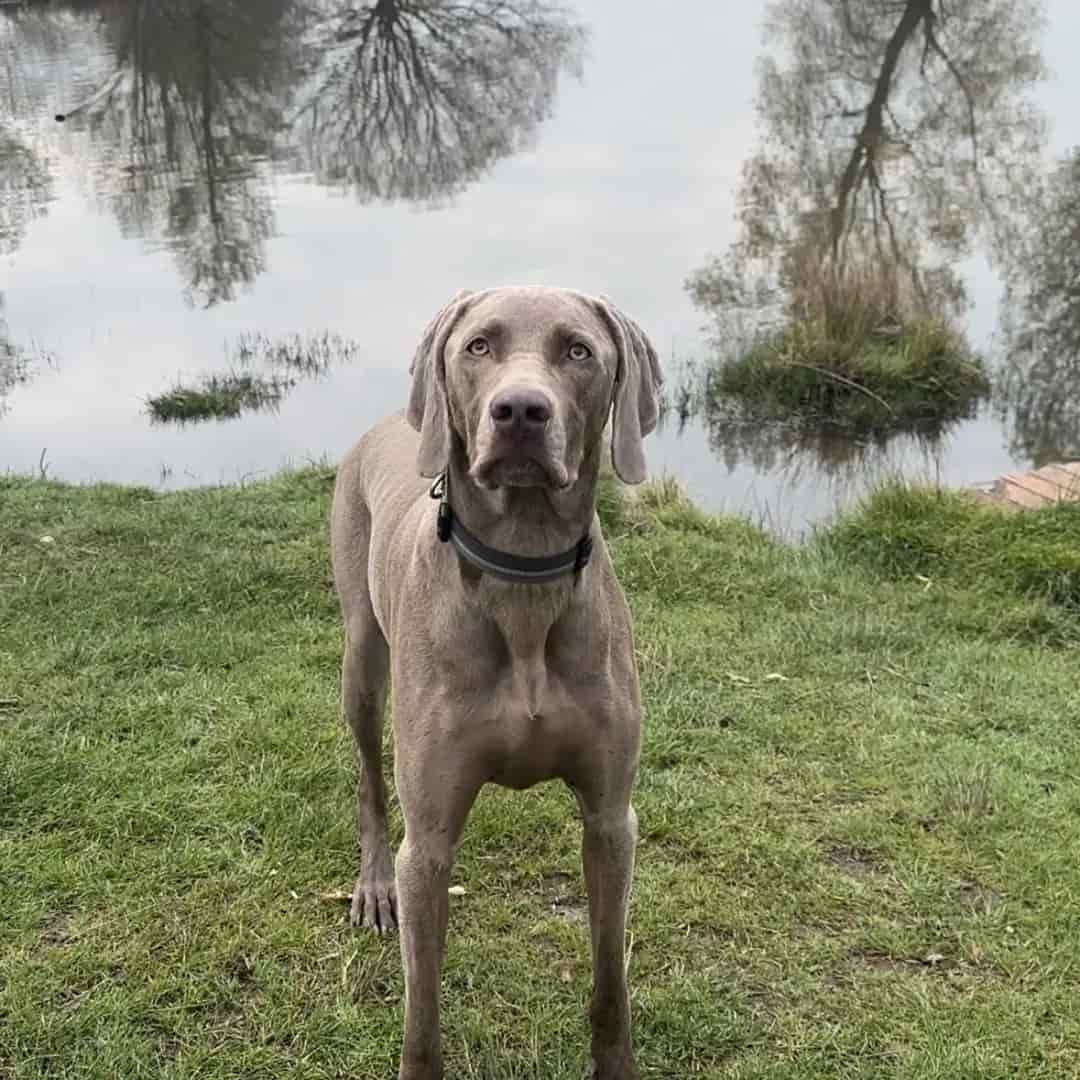
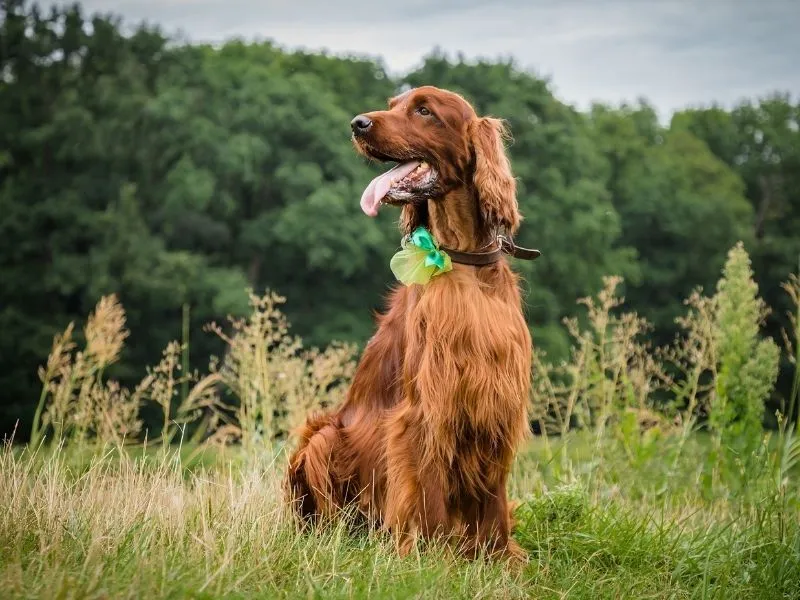
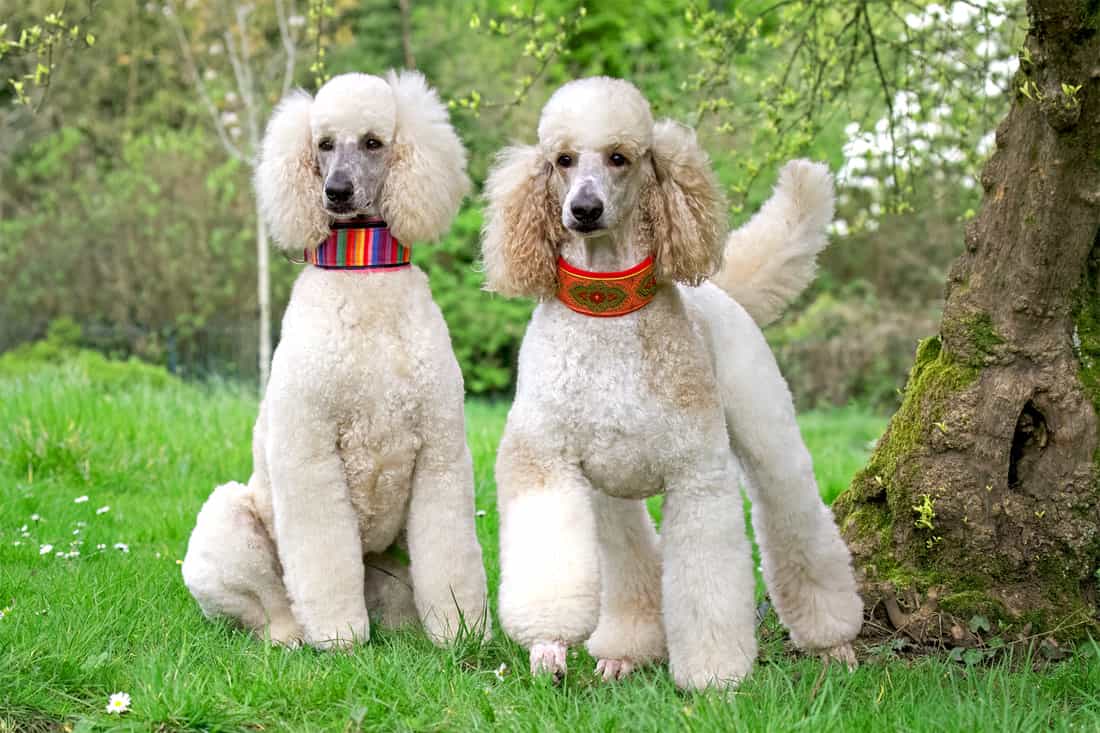
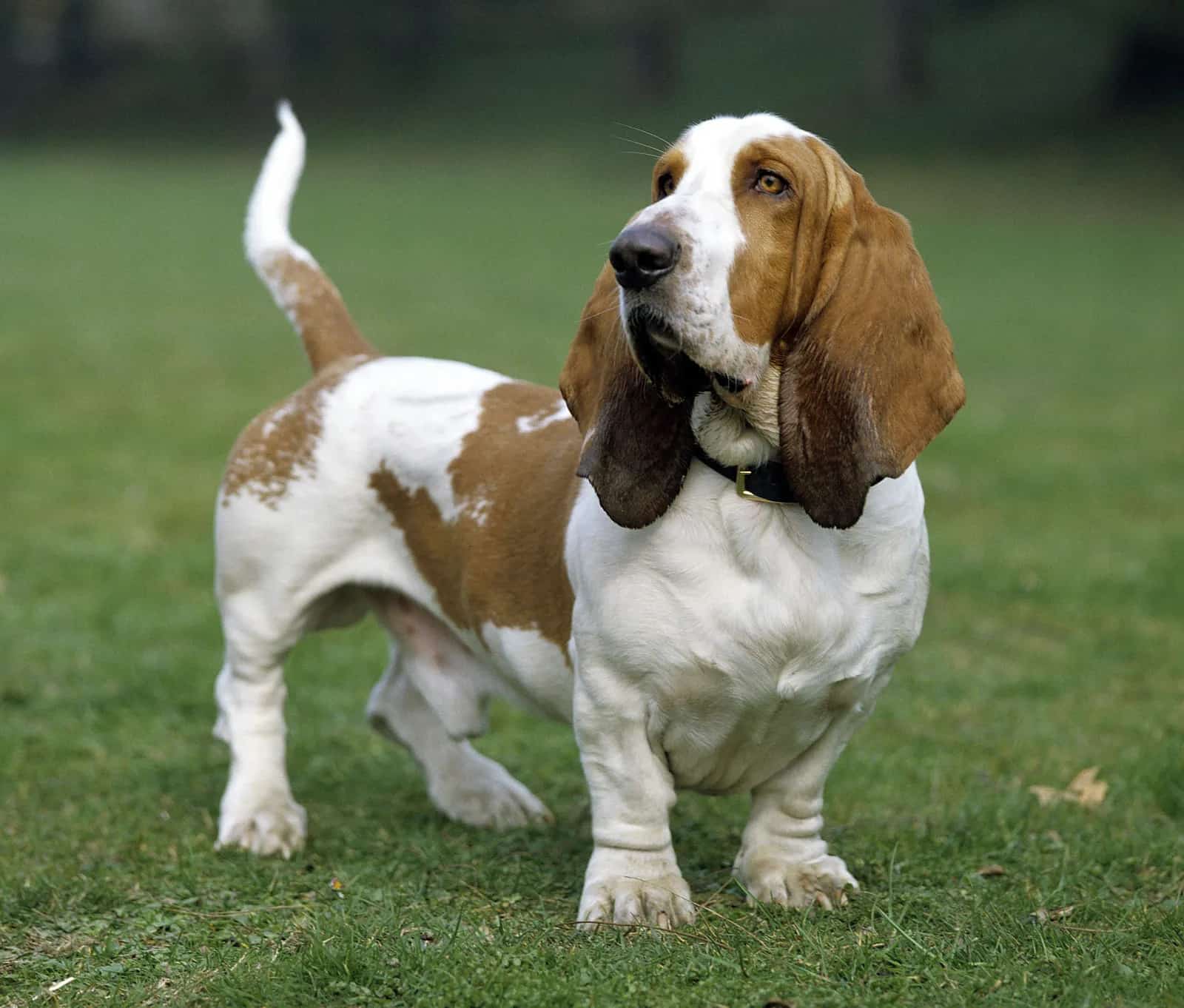
What Causes Bloat in Dogs?
Well, the exact cause of dog stomach bloating is unknown, but here are several risk factors that contribute to GDV, such as:
- Dogs that eat large meals too quickly.
- Dogs that drink excessive water immediately after meals.
- Dogs that do vigorous exercise after eating.
- Dogs suffering from stress or anxiety.
- Dogs that swallow air while eating (aerophagia).
- Dogs that are overweight or very underweight.
Physical risk factors include:
- Certain dog breeds have deep, narrow chest shapes.
- Dogs with a family history of GDV.
- Older dogs are more at risk.
What are the Early Signs of Bloat in Dogs?
This is the most important thing you need to learn. Recognizing the signs of bloating quickly can help you prevent the stomach from entering a critical condition.
Earliest sign of bloat:
- Restlessness and anxiety
- Excessive drooling
- Repeated, unsuccessful attempts to vomit
- Looking at the abdomen
As the condition progresses:
- Swollen or tight abdomen
- Pale gums
- Rapid heartbeats
- Weakness or collapse
- Difficulty breathing
Some of the initial signs can mimic other, less severe gastrointestinal problems. However, if you have any suspicion of GDV, especially a dog trying to vomit but producing nothing, it is one of the most obvious signs of GDV. Seek a veterinarian’s help immediately.
Emergency Care: What Should You Do?
If you have detected the symptoms of GDV, don’t wait. GDV is a medical emergency; you must act quickly to save your dog’s life.
Do’s:
- Call your veterinarian as quickly as possible.
- Describe your dog’s symptoms clearly so the staff can be prepared in advance for further steps.
- Don’t panic and follow any pre-arrival instructions given by your veterinarian.
- While you prepare your dog for the emergency clinic visit, monitor your dog closely for any worsening condition.
- Although you will be nervous, try not to stress your dog while transporting. This may worsen your dog’s condition. Move gently and speak soothingly to reduce your dog’s anxiety. Safely transport them to the nearest vet clinic.
Don’ts:
- While transporting, avoid putting pressure on their stomach.
- Don’t delay; this is not a “watch and see” situation.
- Do not offer food, water, or any treatment before the vet visit.
- Avoid home remedies or over-the-counter treatments, as these may complicate treatment.
How is GDV Treated?
Your veterinarian will recommend blood work and x-rays of your dog’s abdomen to confirm the diagnosis of GDV. Once your vet detects the bloat, the intervention will vary according to the case. A dog with GDV requires more intense care, including:
Stabilizing the dog:
The treatment is initiated by giving intravenous (IV) fluids to improve circulation to vital organs and counteract the shock. Additional painkillers or antibiotics are given to treat discomfort, shock, and any death of tissues from the loss of circulation. Some dogs that experience severe internal bleeding may require a blood transfusion. ECG is performed to monitor any heart abnormalities.
Releasing gas:
The vet will try to decompress the dog’s stomach through trocharization, a procedure in which a large needle is inserted into the abdomen to release the trapped air. However, a stomach tube may not always pass through the entrance of the stomach. Surgery could still be required.
Gastropexy surgery:
For more complicated cases, gastropexy is required to untwist the stomach. In this surgery, the operating veterinarian attaches the dog’s stomach to the abdominal wall, as there is a high risk that dogs may suffer with bloat again.
Can Bloat Be Prevented in Dogs?
While GDV cannot always be prevented, here are some of the things you can take care of:
Dog feeding tips:
- Feed your dog 2-3 smaller meals each day instead of one large meal.
- Don’t allow your dog to gorge on water after a meal or all at once.
- If your dog eats too quickly, consider using a feeding toy or specially designed go-slow bowls.
- Avoid using raised food bowls unless advised by your veterinarian.
Manage your dog’s lifestyle:
- Do not allow your dog to engage in heavy exercise an hour before or after meals.
- Feed your dog in a relaxed environment.
- Consider adding complete and balanced dog food and being consistent with your dog’s feeding routines.
- Additionally, you can support your dog’s overall gut stability with vet-recommended digestive supplements that help lower the risk of future health complications.
At last, keep an eye on your dog’s eating, digestion, and overall behavior and routine to make sure they’re good. For high-risk breeds, veterinarians may recommend preventive gastropexy, especially during spaying or neutering. Regular vet check-ups help identify any underlying health issues early. So, if something feels off, talk to your veterinarian immediately.
Final Thoughts:
GDV is terrifying because it strikes without warning. One moment, your dog is fine, and the next, they are in distress. So, now you know what to do if your dog suffers from bloat, and you also know how to prevent it from happening. If you know the right preventive measures for GDV, you can save your dog’s life. Along with awareness, you can support your dog’s overall well-being with the vet-recommended dog supplies at CanadaVetExpress. Keep your furry companion safe, and we hope the two of you will spend many more years enjoying each other’s company.
Frequently Asked Questions:
Q. Can bloat go away on its own?
Honestly, no! This isn’t something that just “passes” with time. While a little gas might settle on its own, GDV is a completely different situation. If your dog has bloat, waiting it out can be dangerous. It’s always safer to get to a vet right away rather than hoping it improves.
Q. Can small dogs get GDV?
Yes, they can, just not as often. Larger, deep-chested dogs are more prone to it, but that doesn’t mean small dogs are completely safe. If you notice the symptoms, it’s worth getting them checked, no matter their size.
Q. Can a dog survive GDV without surgery?
In most cases, surgery is required to correct the twisted stomach. Most veterinarians do gastropexy surgery to prevent recurrence.
Q. Should I consider preventive surgery?
If you have a breed that’s known to be at higher risk, it’s definitely worth a conversation with your vet. Preventive surgery (gastropexy) can reduce the chances of the stomach twisting later on. Many pet parents choose to do it during spaying or neutering to avoid a future emergency.