
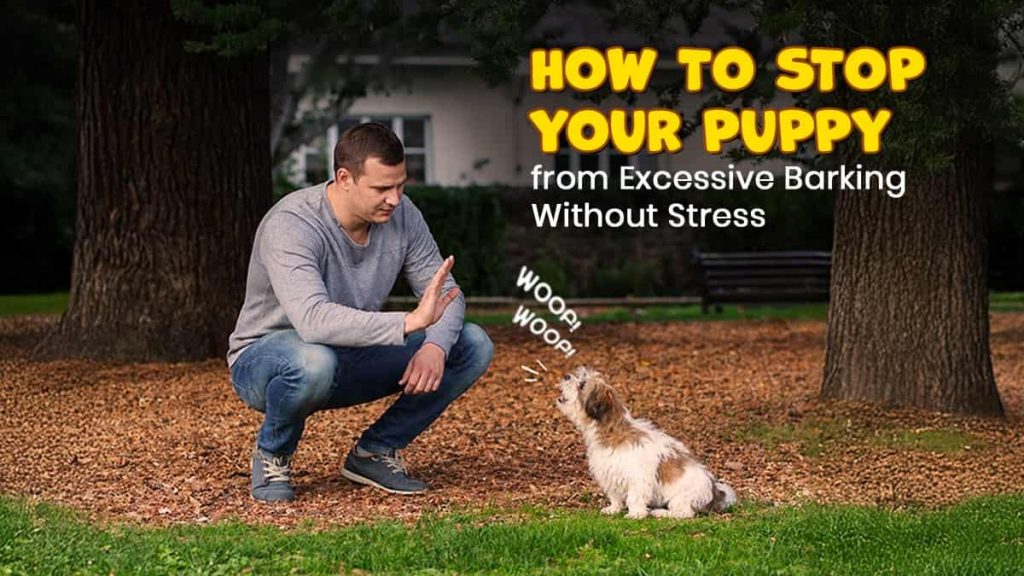
For puppies, excessive barking is not just noise, but a form of communication. However, high-pitched barking can end up becoming a stressful part of our daily lives. According to studies, training puppies before 6 months old can reduce excessive barking by over 30%. Therefore, as pet parents, we must determine whether your puppy is barking at strangers, seeking attention, or experiencing separation anxiety to ensure a calmer environment. In this blog, we’ll explore practical strategies to help you manage your pup’s excessive barking.
Read on to find out more!
How to Teach Your Puppy Not to Bark?
It’s important to identify the cause of your pup’s barking to manage it effectively. Let’s look at a few common reasons behind your pup’s barking and their ways to stop them:
Boredom
Boredom is one of the primary reasons behind excessive barking in puppies. It helps them release their frustration and also seek attention. If your pup is barking out of boredom, it is a sign that your puppy needs attention. Effective solutions may include physical and mental stimulation through the inclusion of interactive toys and regular exercise.
Attention-Seeking Behavior
Puppies tend to bark excessively to demand attention, especially when they are hungry or want to play. If not managed at an early age, this can turn into a habit that’s difficult to correct. Therefore, if your pup is just barking for attention, ignore the barking and ensure positive reinforcement by rewarding quiet and calm behavior. Also, establishing a routine for your puppy’s mealtime and playtimes can help reduce barking triggered by attention-seeking behavior.
Alertness
Puppies bark out of alertness when they vocalize to signal that they have sensed something unusual, new, or a perceived threat like noises, people passing, or doorbells. Such actions can be managed through training, controlling environmental triggers, and rewarding calm behavior.
Separation Anxiety
Separation anxiety in puppies is typically caused by the absence of their biological mother or their pet parents after they are adopted for a while. This tends to trigger excessive barking. This behavior is a reaction to fear and can be accompanied by drooling, pacing, destruction, or urination accidents. Barking due to separation anxiety can be managed by introducing the pups to puzzle toys. If such behavior leads to self-harm or severe destruction, it is advisable to seek a veterinarian’s assistance.
Fear
Barking due to fear is a common response in puppies when they feel overwhelmed or threatened by their environment. Fear-induced barking is generally loud and high-pitched, accompanied by defensive body language such as shaking and tail tucking. Addressing such behavior involves building your pup’s confidence through positive reinforcement and gradual desensitization.
Are there any vet-recommended products that can help manage my pup’s excessive barking?
Vet-recommended behavioral products help reduce excessive barking in puppies by managing anxiety, fear, or compulsive behaviors that trigger barking.
When used in conjunction with positive reinforcement, these treatments can reduce a puppy’s stress levels, making them more receptive to learning quiet behavior.
Some of the popular products that can help reduce excessive barking in pups include Anxitane Chewable Tablets, Scullcap & Valerian Tablets, and Zylkene Calming Supplement.
Frequently Asked Questions
Q. Why is my puppy barking at noises coming from outdoors?
A. Puppies bark at outdoor noises like cars or neighbors, as an alert response. To reduce this, you can use visual blockers like privacy window film or introduce toys that keep them mentally stimulated.
Q. How can I stop my puppy from barking for attention?
A. If you figure out that your pup is barking for attention, ignore it completely by not talking, touching, or making eye contact. Also, make sure to reward the puppy with attention or treats when they are quiet.
Q. How do I teach the “quiet” command to my puppy without stress?
A. When your puppy is barking, wait for a pause, say “quiet” in a calm voice, and immediately feed them a small, high-value treat. Repeat this consistently until they stop barking upon hearing the command, then you can delay the treat to increase the quiet duration.
What should I not do when my puppy barks?
A. When your puppy is barking, do not shout at them, as they may view this as you joining in the barking, which can increase their stress or excitement.
Bottom Line
Managing excessive barking in puppies without causing stress often begins by recognizing early symptoms of anxiety in dogs and identifying the underlying cause. By consistently implementing positive reinforcement, such as rewarding quiet behavior with their favorite treats and offering mental enrichment through puzzle toys, you can teach your puppy calmer alternatives.
At CanadaVetExpress, we carry an impressive collection of Behavioral Remedies for dogs and puppies designed to keep your furry companions calm and composed.
Visit our online store to enjoy special offers on your preferred products.