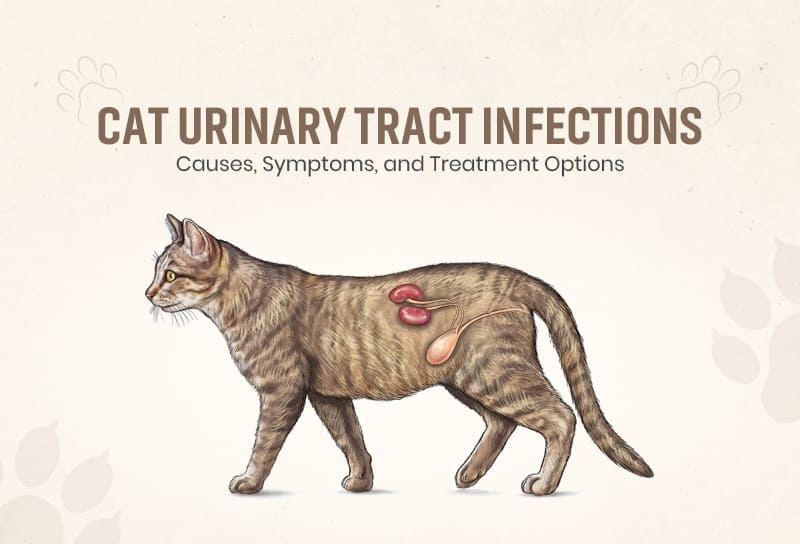
If you’ve ever lived with a cat, you already know how contagious their graceful aura is. But even the most cheerful fluff balls can sometimes run into health troubles, and urinary tract infections (UTIs) are one of them. Feline UTIs can cause pain, discomfort, and behavioral changes and leave both you and your cat stressed.
Let’s talk about what causes UTIs in cats, how to catch the signs early, and what treatment options truly help, and how you can prevent it with simple precautions, so you can take the right steps before things get serious.
Causes of Feline Urinary Tract Infections
A cat UTI happens when bacteria find their way into the cat’s urinary tract and start multiplying. UTIs can occur due to various reasons, including:
- Bacterial infections
- Urinary stones or crystals
- Feline Idiopathic Cystitis (FIC)
- Incontinence
- Unclean litter boxes
- Insufficient water intake
- Stress or behavioral problems
It is important to note that UTIs are caused by bacteria, but certain other conditions like FIC or stress can make cats more susceptible to the infections.
If your cat is senior or has other medical conditions like diabetes, hyperthyroidism, kidney disease, etc., they are more vulnerable to urinary tract infections.
Signs of Urinary Tract Infections in Cats
One thing that our feline friends are masters at apart from winning our hearts is hiding discomfort. They can’t show their pain like us humans, so we need to pay extra attention to the subtle signs of UTIs. Cat UTI symptoms include:
Frequent Litter Box Trips
If you notice that your cat is sitting in the litter box longer than usual or is straining to pee, it’s a major red flag.
Unable to Pass Urine
When a cat is not urinating at all, especially a male cat, it is a medical emergency. They should be taken to the vet urgently.
Peeing Outside The Litter Box
Cats too can ditch their litter box, as they associate the litter box with pain and avoid it. If you notice a cat peeing outside the litter box, it isn’t rebellion; it’s a sign.
Blood in The Urine
Blood in the cat’s urine means something is definitely wrong, even if it is not the UTI. Even a faint pink color is worth taking seriously.
Unusual Urine Odors
When a cat’s urine smells of unusual or intense ammonia odors, it can be a sign of an underlying urinary health problem like a UTI.
Excessive Licking of The Genital Area
UTIs can cause irritation or itching near the genital area. If your cat has been licking their bottom excessively, then it is a sign something is off.
Sudden Behavior Changes
Hiding, being unusually cranky, or acting restless can also mean they’re uncomfortable due to a urinary health problem.
Cat UTI Treatments & Home Care
The first and most crucial step to take if you notice any signs of the urinary tract infection is to take your feline to the veterinarian. Depending on the intensity, type, and cause of the infections, your vet may suggest:
Antibiotic Treatment
Antibiotics are designed to kill the bacteria causing the infection quickly. Most cats start feeling better with a single course of antibiotic treatment. Full recovery with antibiotics may take up to 7-10 days.
Pain Relief Treatments
UTIs can be painful. Vets often prescribe pain relievers to help reduce pain and make your cat feel more comfortable.
Fluid Support
If your cat is dehydrated, your vet may recommend fluid therapy with IV fluids to help flush the urinary system.
Hydration
Encouraging your cat to drink more water by placing multiple bowls or fountains or offering tasty broths at home helps support urinary health.
Urinary Support Diets
Urinary cat foods are specifically formulated with controlled levels of minerals to prevent urinary stones and support cat urinary health.
Wet Food Diets
Often, vets recommend feeding canned or wet cat foods for a few days, as dry foods can cause concentrated urine, leading to urinary health problems.
Stress Reduction
Reduce environmental stress with predictable routines, interactive toys, and clean litter boxes. You can also use cat anxiety supplements to help reduce anxiety.
After treatment, your vet may get your cat’s urine sample tested to ensure that bacteria are absent. Occasionally, some cats may develop recurring UTIs if the cause isn’t resolved.
Final Thoughts
Cat UTIs are uncomfortable but totally treatable, especially when caught early. You should never ignore the symptoms, as they can turn into something serious quickly. However, with the right preventive measures and a little more attention, your feline friend can get back to napping, purring, and ruling the household like nothing ever happened.