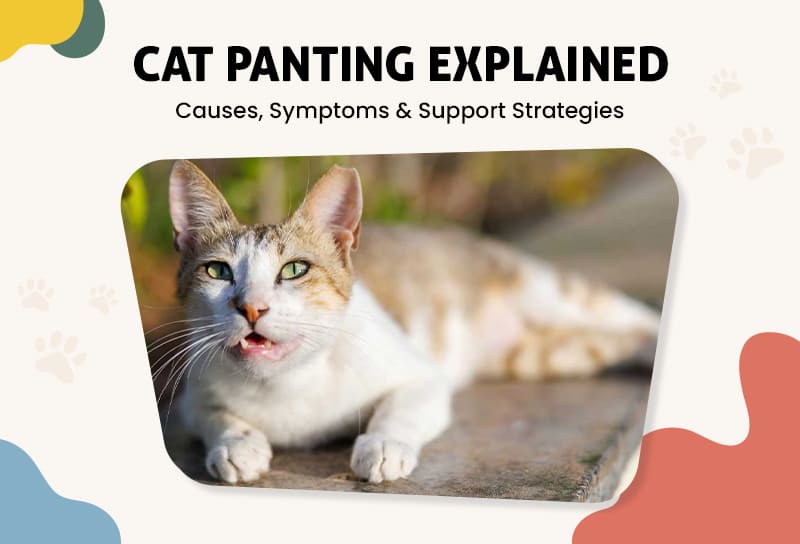
Are you feeling surprised and worried at the same time, seeing your feline companion panting more than normal? Cats are masters of calm and composure, filling your life with endless cuddles and unwavering kindness. But when you see these fluff balls suddenly panting excessively, it’s alarming. While dogs usually pant to cool down, it is not so usual in cats. Excessive panting might signal something serious that needs you to stay vigilant and seek professional help if required. Remember, your adequate awareness and quick action can turn a potential crisis into a minor hiccup and ensure the vitality and longevity of your feline companion.
In this post, we will uncover everything about cat panting, from causes to solutions so that you can educate yourself and keep your kitty cool, comfortable and collected. Let’s dive in and decode your cat’s heavy breaths!
Why Do Cats Pant? – Decoding This Unusual Feline Behavior
Multiple reasons make a cat pant. Let’s have a quick look at each one of them:
#Intense Exercise
After a strenuous workout session, muscles require extra oxygen, making your cat pant more than usual. Although regular exercise is essential to keep your cat active and fit, always consider moderate activity and make sure to avoid over-exercising them, as it may lead to panting.
#Stress or Anxiety
Car rides, separation from the guardian, vet visits, loud noises or moving to a new home can trigger stress and anxiety in cats, leading to excessive panting. Stress-induced panting is usually accompanied by yawning, pacing, whining, or hiding.
#Over-heating
Extreme sun exposure for a prolonged period of time can make cats pant heavily in an effort to cool down. Keep them away from overheated cars, provide fresh water and take them to a shaded area to prevent panting.
#Pain or Illness
Cats are good at hiding pain, but their body speaks. Pain from surgery, fractures or sprains and health conditions such as arthritis, kidney disease, dental problems, etc., can cause panting in cats.
#Respiratory Issues
Pneumonia, asthma, bronchitis, etc., are a few common respiratory problems that cause breathing difficulty, interrupting oxygen supply and making your cat pant excessively.
#Food or Environmental Allergies
Certain foods, such as fish, chicken or beef and environmental allergens, including dust mites, pollen, soil, etc., trigger allergic reactions, resulting in excessive panting. Food or environmental allergies are typically accompanied by swelling, irritation, redness or scratching.
#Obesity
Excess weight puts extra strain on the heart, lungs and joints, making cats pant more (especially during physical activity). Moreover, obesity leads to other health conditions, including diabetes, weakened immunity, arthritis, liver diseases, etc.
Associated Symptoms with Panting That Need Quick Veterinary Care
Here are some common symptoms cats display with panting that indicate an emergency:
- Coughing
- Blue or pale gums
- Weight loss
- Increased thirst
- Vomiting or diarrhea
- Lethargy
- Breathing difficulty
- Excessive drooling
- Reluctance to eat or drink
- Wheezing or rapid breathing
Tips to Prevent Panting in Cats
Mentioned below are a few easy yet effective ways to help a panting cat andmake them feel relaxed:
- Monitor their breathing pattern: Track your cat’s breathing pattern and if you find them breathing too loudly or heavily, speak to the veterinarian immediately as it may be due to an underlying disease.
- Provide water to cool down: Panting can cause dehydration, especially after long hours of outdoor exposure on hot days. Make sure your cat has access to clean and fresh water to stay hydrated and relaxed.
- Reduce stress & anxiety: One of the biggest reasons that contribute to cat panting is stress, anxiety and fear. Create a safe and secure spot for them with their favorite toys, treats and bedding to manage stress and keep them relaxed. You can also consider using Anxitane Tablets, Feliway Spray, Ecovet Eco – Travel Liquid and Zylkene Calming Supplement for best results.
- Avoid overexertion: Engaging your cat in intense exercise can result in excessive panting. Hence, prioritize daily walks, a game of fetch or hide & seek to keep them active, maintain a healthy weight and prevent panting.
- Seek professional help: If your cat’s panting is persistent and is accompanied by drooling, coughing, fatigue, breathing difficulty, etc., consult the veterinarian immediately. It might indicate a serious problem, such as heart disease or a kidney issue, which requires quick attention. Your vet will make a tailored plan to address the root cause and ensure the overall well-being of your furball.
Keep Your Cat Cool and Comfortable
While panting in cats can be a result of excitement, dehydration or simply post-play tiredness, if it is paired with signs like lethargy, pale gums, vomiting, appetite loss or wheezing, it might indicate a major issue that needs to be taken seriously. By staying informed and taking proactive actions, like scheduling routine vet visits, keeping an eye on behavioral symptoms and managing stress, you can spot the trouble early and ensure your cat stays happy, healthy, and thriving. If you are looking for quality-assured and affordable cat supplies, consider buying from CanadaVetExpress. The store offers incredible discounts and satisfactory after-service.